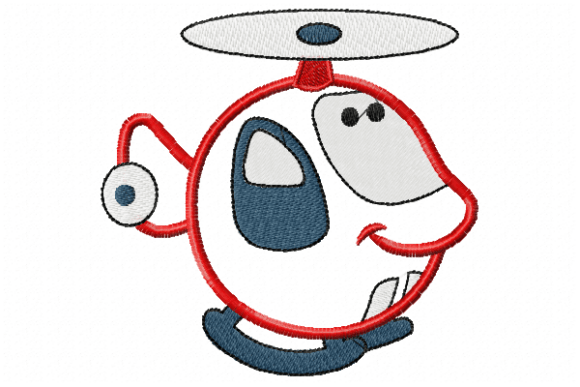
Baby Airplane
Few motifs capture the sense of adventure and tender new beginnings quite like a baby airplane design. Whether you are stitching a onesie for a baby shower, creating a personalized wall hanging, or adding a playful touch to a travel-themed nursery, this embroidery pattern appeals to both sentimental and practical needs. Yet many people jump into buying or using a baby airplane embroidery design without fully understanding what to check first. The result can be wasted materials, frustrating stitch-outs, or a final product that doesn’t match the vision. This article walks through the common pitfalls and shows you how to get the best outcome every time.
Why Baby Airplane Designs Are So Popular
A baby airplane design is more than just a cute graphic. It often symbolizes exploration, hope, and the idea of a new life taking off. Parents who love travel or have a family member in aviation frequently choose this motif for gifts or keepsakes. Small business owners and hobbyists also appreciate its versatility: it works well on baby clothing, blankets, burp cloths, tote bags, and framed embroidery hoops. Because the design can be scaled and adapted to different projects, it appeals to beginners and experienced stitchers alike.
Common Mistakes When Choosing and Using Baby Airplane Embroidery Designs
The biggest frustration people encounter comes from overlooking practical details before downloading or purchasing a file. These mistakes are easy to avoid once you know what to look for.
1. Grabbing the First File Format Without Checking Machine Compatibility
It is surprisingly common to download a baby airplane embroidery design only to realize it won’t open on your machine. Many sellers offer the design in multiple formats such as PES, DST, EXP, JEF, VIP, and others. But if you assume one format works for all machines, you may end up with a file that your embroidery machine cannot read. This mistake leads to wasted time and sometimes the need to buy a converter or repurchase the design.
Better approach: Before you click “buy” or “download,” confirm which formats the seller provides and compare them with the ones your machine accepts. If you own a Brother or Babylock machine, you likely need PES. For Janome, JEF is common. For Tajima, DST is standard. Most reputable designers list all supported formats clearly. If you are unsure, contact the seller or look up your machine’s manual. It also helps to keep a small collection of format converters as a backup, but starting with the correct format saves time and frustration.
2. Ignoring Design Size and Hoop Dimensions
A beautiful baby airplane design can look distorted if it is too big or too small for the hoop you plan to use. Beginners sometimes pick a design based on the thumbnail without checking the actual stitch dimensions. When they load it into the machine, they find the design extends beyond the hoop or looks disproportionate on the garment.
Better approach: Always note the design’s finished size before downloading. For a baby onesie, a design that fits within a 4x4 inch or 5x7 inch hoop usually works well. If the design is too large, you may need to resize it, but resizing can distort the density and details of the airplane. Instead, look for a version of the design that is already sized appropriately for your project. Many shops offer multiple size options, or you can ask for a custom size. Measure your project surface ahead of time and compare it to the design’s dimensions listed in inches or millimeters.
3. Overlooking Stitch Quality and Digitizing Errors
Not all baby airplane embroidery designs are digitized equally. Some have too many jump stitches, poor underlay, or density that causes the fabric to pucker. When the design is poorly digitized, the airplane may have gaps in the outline, the wings might look ragged, or the fabric may bunch up during stitching. This is especially frustrating if you spent time cutting stabilizer and hooping carefully.
Better approach: Read reviews from other users who have stitched out the design. Look for comments about stitch count, clarity of the design, and how well it performed on different fabrics. If the seller provides a stitched sample photo, examine it closely. Also, choose designs that have a reasonable stitch count for their size—very high counts can cause thread breaks and long sew times, while very low counts may lack detail. If you digitize your own designs, test the baby airplane on a scrap fabric before stitching the final item.
4. Skipping Stabilizer and Fabric Matching
Many people rush into stitching a baby airplane onto a soft knit onesie or a delicate blanket without adjusting the stabilizer. The design may look fine in the preview, but on stretchy fabric, the airplane can distort, shift, or cause the fabric to ripple. This mistake not only ruins the item but also wastes the design file if you planned to use it multiple times.
Better approach: Match the stabilizer type to the fabric weight and design density. For most baby clothes made of cotton interlock or jersey, a tear-away stabilizer works if the design is not too dense. For denser baby airplane designs with lots of satin stitches, use a cut-away stabilizer to reduce distortion. Always hoop the stabilizer firmly and baste the fabric in place if necessary. Testing on a similar fabric scrap will tell you exactly how the design behaves. This step is especially crucial when you are stitching for a customer or as a gift—you want the final result to look professional and last through washing.
5. Misunderstanding Licensing and Usage Rights
Another overlooked detail is what you are allowed to do with the baby airplane embroidery design once you purchase it. Some sellers allow unlimited personal and small business use, while others restrict commercial use or require attribution. Entrepreneurs and small business owners sometimes assume they can sell items made from any design they bought, but that is not always true. Violating a license can lead to takedown notices or legal issues.
Better approach: Before purchasing, read the shop’s terms of use. Look for phrases like “commercial use allowed,” “no additional license required,” or “you may sell finished products.” If the license is unclear, message the seller. Keep a copy of the license or a screenshot of the terms in case you need to prove your rights later. This simple check protects your business and helps you choose designers who support small creators.
What to Look for Before You Download or Buy
Taking a few minutes to inspect a few key details can prevent hours of frustration. Here is a quick list of checks to run before committing to a baby airplane embroidery design:
- File formats offered: Make sure at least one matches your machine.
- Design dimensions and recommended hoop size.
- Stitch count and whether it fits your project’s timeframe.
- Color sequence and number of thread changes. Fewer color changes speed up production.
- Whether the design includes a color chart or placement guide.
- User reviews and stitched-out photos from real customers.
- License terms for personal or commercial use.
The best designs come from sellers who are transparent about these details and who offer support if you have issues.
Practical Examples of Better Choices
Imagine you want to stitch a baby airplane on a baby blanket for a friend who loves aviation. Instead of downloading the first cute design you see, you check the size. A 3x3 inch airplane might look too small on a large blanket, but a 5x7 inch version could overwhelm the space. You look for a design that is around 4x5 inches, which fits nicely near a corner. You also choose a design with a moderate stitch count (around 8,000 to 12,000 stitches) so it sews quickly and does not distort the blanket’s fabric. You select a light blue thread for the airplane body and a contrasting red for the propeller, following the color steps included in the file. After hooping a medium-weight cut-away stabilizer and basting the blanket fabric, you run a test stitch on a scrap piece of flannel. The result is smooth and clean. Your friend loves it, and you avoid the frustration of a puckered design or a misaligned wing.
Final Thoughts on Getting the Best Results
A baby airplane embroidery design is a small investment that can bring a lot of joy—if you handle it with care. By avoiding the common mistakes of format mismatches, size ignorance, poor digitizing, unstable fabric setups, and licensing misunderstandings, you set yourself up for success. Whether you are a hobbyist making a one-time gift or a business owner producing items to sell, the time you spend checking these details pays off in higher quality stitch-outs and satisfied recipients. Remember to test, ask questions, and keep a small library of trusted designers. With the right approach, your baby airplane project will look as beautiful as you imagined.