Design a Custom Sports Team Logo: Avoiding Common Pitfalls for a Professional Result
Creating a logo for your sports team is one of the most rewarding parts of building an identity. A well-designed mark does more than look good—it builds unity, signals professionalism, and sticks in the minds of opponents and fans alike. Whether you're starting a weekend league, launching a youth program, or rebranding an established club, the process of designing a custom sports team logo can feel both exciting and overwhelming. Many people jump in with enthusiasm but stumble on details that separate a forgettable emblem from one that feels iconic. The good news is that with a clear understanding of what to avoid and what to prioritize, you can create a logo that truly represents your team.
Why Designing a Custom Sports Team Logo Matters More Than You Think
A sports logo is the face of your team. It appears on jerseys, hats, social media profiles, merchandise, and even the field itself. That means it's not just a graphic—it's a communication tool. It tells people who you are, what you stand for, and what energy you bring. A thoughtful design builds trust with sponsors, helps fans feel connected, and gives players something to rally behind. When you take the time to design a custom sports team logo thoughtfully, you're investing in the long-term perception and culture of your group. That's why cutting corners or rushing the process often leads to disappointment later.
Common Misunderstandings About Designing a Logo
Before you open your design software or hire someone, it helps to clear up a few misconceptions. Many people assume that a logo must be overly complex to look professional, or that it needs to show every aspect of the team's personality at once. Others think that the process is purely artistic and that technical considerations like sizing, color consistency, and file formats don't matter much. These misunderstandings can lead to a design that looks good in a preview but fails in real-world use. A logo that works on a phone screen might become a blurry mess when printed on a jersey. One that looks amazing in full color might lose meaning in black and white. Recognizing these gaps early saves time, money, and frustration.
Mistake 1: Overcomplicating the Design
The most common error people make when they set out to design a custom sports team logo is trying to include too many elements. You might be tempted to combine a mascot, a ball, a shield, a ribbon, and a star all in one mark. The result is usually crowded, confusing, and hard to reproduce. A logo with too many details becomes illegible when scaled down for a hat or a social media avatar. Worse, it forces the viewer to work to understand what they're seeing, which undermines the quick recognition that effective logos rely on.
Better approach: Start with one strong concept. Ask yourself what single image or shape best captures your team's spirit. A bold animal, a clean geometric form, or a simple typographic treatment can carry far more weight than a collage of ideas. Look at successful sports brands—most rely on two or three visual elements at most. Simplicity isn't boring; it's memorable. When you keep your design clean, it becomes easier to reproduce across different materials and sizes without losing impact.
Mistake 2: Ignoring Color Practicality
Color choices often get driven by personal preference or current trends, without considering how they will actually perform. A neon green and bright orange combination might look energetic on screen, but it can be difficult to read from a distance or expensive to print consistently. Additionally, some color combinations create contrast issues for viewers with color vision deficiencies. Another overlooked detail is how colors appear on fabric—a bright red on a white jersey might look sharp, but the same red on a dark jersey could become almost invisible.
Better approach: Choose two or three core colors that work well together and maintain contrast in both light and dark applications. Test your logo in grayscale to ensure it still communicates clearly. Consider how the design will look on a dark background versus a light one. Also, think about the emotional weight of your colors—blue and green convey trust and growth, while red and yellow signal energy and urgency. Pick colors that align with the personality of your team and that are practical for your most common uses, whether that's screen printing, embroidery, or digital display.
Mistake 3: Neglecting Typography
If your logo includes text—such as the team name or a motto—the font choice matters immensely. Many people select a decorative typeface that looks "cool" without considering readability. A script font might seem elegant, but it can be nearly impossible to read when printed small or viewed on a moving jersey. Similarly, using too many fonts in one logo creates visual noise and suggests a lack of cohesion. Another frequent oversight is not leaving enough space around the text, which makes the logo feel cramped.
Better approach: Limit yourself to one or two fonts at most. Choose a typeface that is legible at small sizes and complements the graphic element of your logo. A strong sans-serif font often works well for sports because it feels bold and modern, but a well-chosen serif can also convey tradition and authority. If you want to add personality, consider customizing the spacing, weight, or arrangement of letters rather than switching to an ornate font. Also, pay attention to how the text interacts with the icon—they should feel like parts of the same whole, not separate pieces stuck together.
Mistake 4: Forgetting Versatility and Scalability
A logo that only works on one medium is not a good logo. Yet many people design with only a single use case in mind—usually how it looks on a computer screen. They don't test the logo on a smartphone wallpaper, a printed banner, a cap embroidery, or a water bottle. When the design is scaled down, fine lines may disappear. When scaled up, low-resolution elements become pixelated. The absence of a vector version means the logo might look different depending on the device or printer.
Better approach: Always work in vector format from the start. Programs that allow you to create scalable paths rather than pixel-based images ensure that your logo can be resized without losing quality. Test your design at multiple sizes—a small version on a pen or a large one on a billboard. Simplify any detail that breaks down at small scales. Create variations if needed: a horizontal lockup for website headers, a stacked version for square social media profiles, and a simplified icon-only mark for small applications. Thinking about scalability from day one prevents headaches later.
Mistake 5: Copying Trends Without a Foundation
It's natural to look at popular sports logos for inspiration. But borrowing elements without understanding why they work can lead to a design that feels derivative rather than distinctive. Some people see a current trend—like neon gradients or geometric lines—and apply them without considering whether they fit the team's personality or history. Within a few years, the logo may look dated, and you'll want to redesign it again. Additionally, copying too closely can create legal or ethical concerns, even if it's unintentional.
Better approach: Use trends as inspiration, not as a template. Identify what makes your team unique—its location, its values, its chosen mascot, or its history. Build the design around those authentic elements. A logo rooted in genuine meaning will stay relevant longer than one built on a passing aesthetic. If you do incorporate a contemporary style, use it sparingly and make sure it doesn't overshadow the core message. Aim for a classic foundation with modern touches, not the other way around.
What to Check Before Finalizing Your Logo
Before you export your final files and start ordering merchandise, take a step back and review a few key areas. First, get feedback from people outside your immediate team. Fresh eyes often spot legibility issues or unintended visual messages that you've become blind to. Second, test the logo in its most common real-world environments: on a jersey mockup, in a social media profile frame, and next to sponsor logos. Third, confirm that you own the rights to all elements. If you used a font, icon, or image from a third party, ensure the license covers commercial use. Finally, gather your logo in the essential file formats—vector (such as SVG or AI) for printing, PNG with transparency for web use, and a simple black-and-white version for situations where color printing isn't available.
Practical Advice for a Smooth Design Process
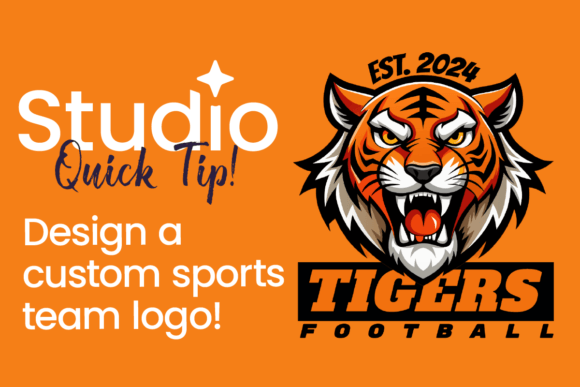
If you're using a design tool like a Studio tutorial on creating a sports emblem, remember that tutorials are guides, not strict rules. Adapt the steps to your specific needs. If something doesn't look right, trust your eye and adjust. The tutorial can teach you the mechanics of layering shapes and applying effects, but the creative decisions about meaning and simplicity are yours to make. Keep a folder of inspiration from real sports logos you admire, and analyze what makes them effective. Is it the bold color palette? The straightforward shape? The confident spacing? Understanding why something works helps you apply those principles without copying.
Another helpful habit is to create multiple versions early on. Sketch three to five concepts before committing to one. You might combine ideas from different sketches into a stronger final design. Don't be afraid to set a design aside for a day and return to it with fresh perspective. The best decisions often come after a short break. And if you're collaborating with teammates, use a shared tool that allows everyone to leave feedback without taking over the file. Collaborative input can refine a good design into a great one, but avoid design by committee—too many voices pulling in different directions can water down the concept.
Earning Trust With a Professional Look
When your team shows up with a cohesive and polished logo, it signals that you take yourself seriously. That impression matters for recruiting players, attracting sponsors, and building a fan base. A poorly designed logo can unintentionally suggest disorganization or lack of commitment, even if your team is well-run and competitive. That's why investing time in designing a custom sports team logo is not just about aesthetics—it's about credibility. Every detail, from the thickness of the lines to the spacing between letters, contributes to the overall message. When everything aligns, the logo becomes a source of pride that everyone associated with the team can wear confidently.
Final Thoughts on Designing a Custom Sports Team Logo
You don't need to be a professional graphic designer to create something that works well and looks great. What you need is a willingness to think carefully about simplicity, practicality, and authenticity. Avoid the traps of overcomplicating, ignoring real-world use, and chasing trends without substance. Instead, focus on building a visual identity that represents your team clearly and consistently. By following a thoughtful process and testing your work across different scenarios, you'll end up with a logo that serves your team well for years. Whether you're designing it yourself or collaborating with a designer, keep these principles close. A strong logo doesn't just identify your team—it inspires it.