Design a Fall Themed T-Shirt
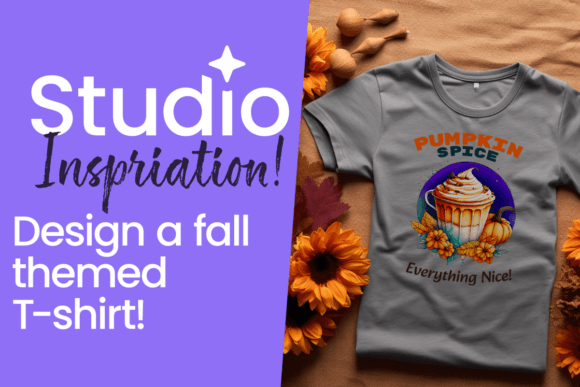
There is something about autumn that makes you want to wrap yourself in warm colors, soft textures, and designs that feel like a crisp afternoon walk. A fall-themed t-shirt is not just a piece of clothing, but a small canvas for seasonal expression. Whether you are a designer looking for a quick project, a small business owner planning a limited drop, or someone who simply wants a cozy shirt for pumpkin patch outings, designing your own fall-themed shirt offers a blend of creative freedom and practical reward. The best part is that you do not need years of experience or expensive software to get started. A straightforward studio tutorial can guide you from blank canvas to finished garment in a single sitting.
What Makes a Fall T-Shirt Design Work
A great fall-themed design does more than slap a leaf on a shirt. It captures the mood of the season, which is a mix of warmth, nostalgia, and subtle excitement for what is coming next. Think about the colors that define autumn: burnt orange, deep burgundy, mustard yellow, forest green, and earthy brown. These tones work well together and instantly signal the season without needing any text or symbols. When you design a fall themed t-shirt, consider building your palette around two or three of these hues. Too many colors can feel chaotic, while a restrained palette feels intentional and polished.
Beyond color, the imagery you choose matters just as much. Classic fall motifs include pumpkins, falling leaves, acorns, plaid patterns, woodland animals, and cozy typography that spells out seasonal phrases. But do not feel limited to clichés. A minimalist line drawing of a single oak leaf can be more striking than a crowded illustration. A subtle plaid texture used as a background element can add depth without overpowering the main graphic. The key is to keep the composition balanced and readable at a glance, because a t-shirt design needs to work from across the room and up close.
Exploring Creative Directions
One of the most enjoyable aspects of this project is how many directions you can take. If you lean toward illustration, you might create a friendly scarecrow, a steaming mug of cider, or a stack of pumpkins with varying expressions. If typography is more your strength, try a bold serif wordmark that spells out “Harvest” or “Golden Hour,” paired with a subtle leaf accent. For those who enjoy pattern design, a repeating motif of acorns and leaves arranged in a grid can cover the whole shirt for an all-over print effect that feels like a cozy sweater.
Another approach is to combine classic autumn symbols with unexpected elements. Imagine a fox wearing a scarf, a constellation shaped like a pumpkin, or a geometric take on a maple leaf. These playful twists make the design stand out and invite conversation. If you are designing for a specific audience, such as a local market or a school event, incorporate regional elements like a state outline filled with fall foliage or a reference to a beloved autumn festival. Personal touches like these turn a simple shirt into a meaningful keepsake.
For those who prefer a more subtle look, consider a tonal design where the graphic is printed in a slightly darker shade of the shirt color. This creates an understated, textural effect that works well on high-quality garments and appeals to people who want seasonal style without being too loud. Alternatively, a reverse negative space design, where the shirt color becomes the graphic against a darker printed background, can look modern and fresh.
Adapting the Design for Different Goals
The beauty of learning to design a fall themed t-shirt is that the same basic skills can serve very different purposes. If you are a small business owner, you can use this process to create a limited-edition seasonal drop that builds excitement and urgency among your customers. A fall design can be part of a larger collection that includes hoodies, tote bags, and caps, giving your brand a cohesive seasonal identity. Marketers and bloggers can design shirts as giveaways or merchandise that reinforces their content themes, such as a cozy living blog or a gardening channel.
For educators and hobbyists, the tutorial offers a hands-on way to teach design principles like color theory, composition, and typography. You can run a workshop where participants each create their own fall shirt, then share the results in a gallery. This kind of activity works well for community groups, library programs, or team-building events because it is accessible and yields a tangible outcome. Freelancers and publishers can use the design as a portfolio piece that demonstrates their ability to work within a seasonal theme, showing potential clients that they understand how to tailor visuals to a specific time of year.
If you are creating a shirt as a gift, think about the recipient’s personal style. A minimalist friend might appreciate a small leaf motif near the hem, while someone who loves bold patterns might prefer a full-front graphic. You can even design matching shirts for a family or group of friends to wear during a fall outing, which makes for memorable photos and a sense of togetherness. The versatility of the project means you can scale it from a single shirt to a full product line without changing the core workflow.
Practical Steps to Keep Results Clean and Effective
Once you have settled on a concept, the technical side becomes important. Start by choosing a blank shirt color that complements your design. A cream or heather gray shirt allows warm fall colors to pop, while a dark olive or navy shirt gives a moodier backdrop for bright orange and gold. Make sure your design file uses a transparent background so that the shirt color shows through where intended. Keep your resolution at 300 DPI for print-ready quality, and double-check that your canvas size matches the print area specified by your chosen printing service.
When arranging elements, leave enough breathing room around the edges. A common mistake is to make the graphic too large, which can feel overwhelming or get cut off in printing. Aim for the main focal point to sit about 2 to 3 inches below the collar, centered left to right. If your design includes text, test it at different sizes to ensure it remains legible when printed. Avoid overly thin fonts that may lose detail in production. For multi-color designs, limit the number of colors to what your printing method can handle affordably, typically two to four colors for screen printing, or use a digital print method if you need full color.
Before finalizing, get a second opinion. Share your design with a friend or post it in a design community to see if the fall theme reads clearly. Sometimes what feels obviously autumn to you might look generic or confusing to someone else. Ask specifically whether the colors, imagery, and overall mood match the season. Small tweaks based on feedback can elevate a decent design to one that people genuinely want to wear.
Staying Original in a Crowded Season
Fall is one of the most popular seasons for themed merchandise, so standing out requires a touch of originality. That does not mean reinventing the wheel. It means adding a personal signature to familiar elements. Maybe you use a hand-drawn style instead of vector smoothness, or you incorporate a texture like wood grain or linen into the background. Perhaps you write a short poem or a meaningful date into the design. These small decisions make your work feel authentic and less like something mass-produced.
Another way to keep your design unique is to look beyond the obvious fall symbols. Consider autumn wildlife like migrating birds, ripe apples, or foggy morning landscapes. Draw inspiration from seasonal activities like apple picking, hayrides, or baking pies. When you design a fall themed t-shirt from a personal memory or experience, the result carries an emotional weight that generic clip art cannot match. Audiences can sense that authenticity, and it often leads to stronger connections with your work.
Finally, do not underestimate the power of simplicity. A single well-crafted element, placed thoughtfully on the shirt, can be more memorable than a busy composition. Trust that a clean design gives the wearer room to express their own personality alongside yours. The best fall t-shirt is one that someone reaches for again and again, not just because it looks seasonal, but because it feels like them.
With a solid concept, a bit of planning, and the guidance of an easy studio tutorial, you can move from idea to finished shirt in a few hours. Whether you are designing for yourself, your brand, or someone else, the process is rewarding and the result is something you can wear, share, and celebrate all season long.