Mastering Moroccan Geometric Embroidery Delight 4: A Practical Guide to Stunning Results
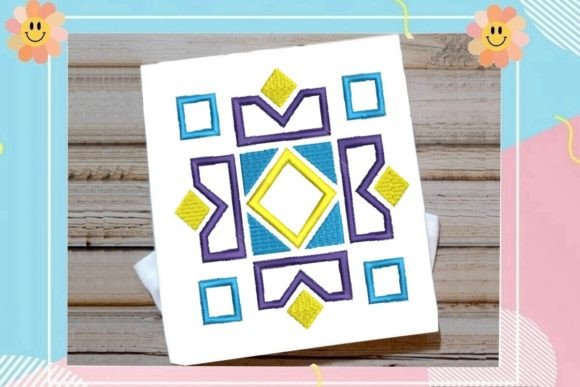
There is something undeniably captivating about the precision and symmetry of Moroccan Zellige art. When this translates into a machine embroidery design like Moroccan Geometric Embroidery Delight 4, the potential for creating truly elegant and exotic pieces is immense. Whether you are planning to embellish a simple t-shirt, a luxurious cushion cover, or a decorative wall hanging, this design promises a sophisticated finish. However, the path from digital file to flawless stitched reality is rarely automatic. If you rush into hooping and stitching without understanding a few critical details, results can range from acceptable to deeply disappointing. This guide is built around the practical decisions that determine success, helping you avoid the common pitfalls that turn a great design into a frustrating project.
Overlooking the Technical Foundation of Your Machine Embroidery Design
One of the most frequent mistakes I see is assuming that an embroidery file is an embroidery file. When you purchase or download Moroccan Geometric Embroidery Delight 4, you are likely receiving a package with multiple formats, such as PES, DST, EXP, JEF, and others. Beginners often grab the first file they see, but this overlooks how different machines interpret stitch data. A geometric design this dense relies on precise stitch pathing, and using a format that is not native to your machine can sometimes cause skipped stitches or distorted angles during the transfer process.
What you should do instead: Before you even unzip the file, confirm which formats your machine supports. If you own a Brother or Babylock, PES is your standard. For Janome users, JEF is essential. Tajima users will rely on DST. Most reputable sellers list the included formats clearly. If you consistently use a specific machine, keep that format as your primary and only convert to others when absolutely necessary. A poorly converted file can lose the subtle pull compensation built into the original digitizing, which is particularly damaging to intricate geometric motifs.
Resizing Without Respecting the Geometry
Zellige patterns are mathematically precise. The beauty of Moroccan Geometric Embroidery Delight 4 comes from the careful relationship between each shape, corner, and connecting line. I have watched talented embroiderers load this design into their software and immediately shrink it by 40% to fit a pocket, only to wonder why the sharp points became rounded and the tiny details turned into solid blobs of thread. Scaling geometric embroidery is not like scaling a photograph. Stitch density changes, satin column widths shrink, and delicate angles can become structurally unsound.
A better approach: Treat the original digitized size as a sacred benchmark. If you must resize, stay within 10% to 15% of the original dimensions. Shrinking a heavy geometric design too drastically forces stitches into a space too small for the underlay and coverage, leading to thread breaks and a stiff, brittle feel. Enlarging too much can create gaps between segments where the original pull compensation no longer applies. If your project requires a completely different size, look for a version that was digitized specifically for that dimension. Respecting the original scale preserves the crisp, clean geometry that makes this design shine.
Underestimating the Stabilization Demands of Dense Stitching
This is the single most overlooked element when working with ornamental designs. Moroccan Geometric Embroidery Delight 4 is not a light, airy outline. It is a dense, richly filled pattern, often featuring tightly packed satin stitches and complex fill areas. If you hoop a knit t-shirt with a simple tear-away stabilizer, you are setting yourself up for puckering, distorted registration, and fabric tunneling. The machine will push the fabric around, and the geometric segments will fail to meet perfectly at their corners.
Why Stabilizer Choice Makes or Breaks the Project
For this design, you need a stable foundation. Cutaway stabilizer is almost always the correct choice. It stays in the hoop and provides permanent structural support, preventing the dense stitching from distorting over time. Tear-away stabilizer may seem convenient, but it cannot anchor the hundreds of thousands of stitches in a motif this size.
- For cotton or linen cushion covers: Use a medium-weight cutaway.
- For stretchy knits or t-shirts: Use a firm cutaway, and consider a temporary spray adhesive to float the fabric on top of the stabilizer.
- For heavy fabrics like denim or canvas: A heavy-weight cutaway or even a no-show mesh stabilizer will work well.
Test your stabilizer and hoop tension on a scrap piece of the exact fabric you plan to use. The goal is zero movement during stitching. If your fabric shifts even slightly, the precise geometry of the design will suffer.
Choosing Thread Colors That Blend Into a Single Blob
Perhaps the most heartbreaking outcome is stitching out the entire design only to realize that the beautiful individual shapes melt into an indistinguishable mass of thread. A common misunderstanding is simply matching thread colors to the fabric without thinking about contrast within the design itself. Since Moroccan Geometric Embroidery Delight 4 features distinct geometric segments, every element needs to be visually separated from its neighbor.
The Art of Contrast in Zellige Embroidery
Traditional Zellige relies on bold color juxtaposition: deep blue against white, emerald green against golden yellow, or rich earth tones separated by crisp white or black lines. If you choose a pastel blue for one shape and a pastel green for another, they will read as a single shape from a distance. The details get lost.
- Use dark outlines: If the design has a separate outline color, make it a dark navy, black, or deep charcoal. This frames each shape clearly.
- Choose high-contrast families: Pair a royal blue with a bright white and a warm gold. These traditional combinations look sophisticated and ensure every corner of the geometry is visible.
- Avoid all-metallic palettes: While tempting, using metallic threads for every segment can create glare and reduce the visible contrast between shapes. Use one metallic accent and balance it with solid matte rayon or polyester threads.
A well-chosen palette respects the heritage of the design and makes your embroidery look intentional and refined.
Ignoring the Fabric and Final Use Case
The marketing for Moroccan Geometric Embroidery Delight 4 often highlights its versatility: t-shirts, cushion covers, tote bags, and more. This is accurate, but it requires you to adjust your technique for each substrate. A common mistake is using the same needle, thread tension, and backing for a jersey t-shirt that you would use for a tightly woven home decor fabric. Dense geometry does not behave well on loose knits without proper preparation.
Practical Fabric Guidance
- For stretchy t-shirts: You absolutely must stabilize the fabric heavily. Use a layer of fusible knit interfacing on the back of the hoop area before stitching. This prevents the fabric from stretching out of shape during the embroidery process. Use a sharp ballpoint needle designed for knits.
- For cushion covers and decor: Make sure you can hoop the fabric smoothly. If the cushion is already sewn, use a large hoop carefully or consider a magnetic hoop system to avoid creasing. Use a sharp 75/11 or 80/12 needle.
- For delicate fabrics: This design is heavy. It may not be suitable for lightweight silk or fine voile without significant backing, and even then, the drape will be compromised.
Thinking about the end use before you start ensures that your finished piece is not only beautiful but also durable and comfortable.
How to Spot Professional Digitizing Before You Buy
Not all Moroccan Geometric Embroidery Delight 4 designs are created equal. The quality of the digitizing directly impacts your success. A poorly digitized geometric design will have gaps at the corners, uneven satin stitches, and insufficient underlay. This leads to fabric peeking through the stitches and a messy appearance, no matter how well you stabilize.
What to look for in a quality file:
- Pull compensation: Look for close-up photos of test stitches. The corners should meet cleanly, with no gaps or overlapping fabric showing.
- Underlay: Good digitizing includes underlay stitches (edge run, center walk) that pad and stabilize the top stitches. This is essential for geometric precision.
- Stitch count transparency: A reputable seller will list the stitch count. Extremely low stitch counts for a design this size should raise a red flag, as they often indicate insufficient coverage.
- Test sew documentation: Ideally, look for sellers who clearly state that the design has been test sewn. This demonstrates a commitment to quality and an understanding of how the design performs in real-world conditions.
Taking a few extra minutes to evaluate the digitizer's work saves you hours of frustration and wasted materials.
Bringing It All Together
Working with an ornamental design like Moroccan Geometric Embroidery Delight 4 is a deeply rewarding experience. It allows you to bring a touch of exotic elegance and cultural artistry into your everyday projects. However, the difference between a good result and a stunning result always lies in the preparation. By choosing the correct file format, respecting the original size, stabilizing thoroughly for the fabric, selecting a thoughtful color palette, and demanding professional digitizing, you remove the guesswork. You move from hoping it works to knowing it will. Every stitch will fall into place, and the geometric magic of the Zellige tradition will be realized in thread and fabric, exactly as intended.