Water Surface Texture Background: Bring Fluidity and Depth to Your Creative Projects
You know that feeling when a design just clicks? The colors harmonize, the composition feels balanced, and there’s something about the background that makes everything else pop. Often that magic comes from an element we don’t immediately notice—the texture beneath the surface. A Water Surface Texture Background is one of those subtle powerhouses. It adds movement, light, and a natural sense of calm that few other textures can match. Whether you’re working on a digital illustration, a product mockup, or a physical print, these high-resolution captures of water surfaces can transform an ordinary layout into something visually immersive.
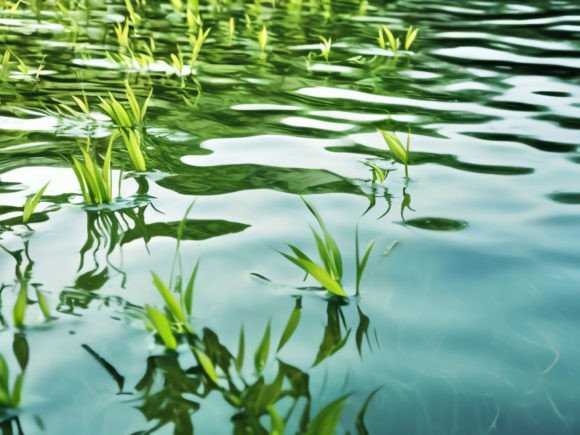
But what exactly makes this type of background special? It’s not just a generic blue gradient or a soft ripple. A well-crafted water surface texture reproduces the way light interacts with water—the reflections, the subtle wave patterns, the organic randomness. At 4000 x 3000 pixels and 300 DPI, you’re getting a file that holds up beautifully across media, from a small sticker to a large poster. The single JPG file might seem simple, but its versatility is where the real value lies.
Graphic Designers and Digital Artists: Adding Realism Without the Headache
If you’ve ever tried to paint realistic water from scratch, you know it’s a time sink. Getting the refraction, the specular highlights, and the gentle distortion just right can take hours. That’s where a Water Surface Texture Background becomes your shortcut. Instead of building the effect manually, you drop it in as an overlay, multiply layer, or background element. The result is instant depth.
Consider a poster for a beachside event. You could use the texture as the main backdrop, then overlay your typography with a soft drop shadow. The water texture naturally draws the eye inward, creating a focal point. For digital art, you can blend the texture with gradient maps to match any color scheme—cool blues for a serene ocean scene, warm teals for a tropical vibe. The 300 DPI ensures that even if you zoom in for close-up details, the pixels don’t break apart. That crispness matters when your design goes from screen to print.
One practical observation: water textures work exceptionally well in compositions where you want to convey motion without actually animating anything. A static image with a water surface background feels alive. It’s a smart trick for book covers, music album art, or even blog headers where you need a steady visual anchor.
Print-on-Demand Entrepreneurs: Sell Products That Feel Premium
The print-on-demand market is crowded. To stand out, your designs need to look like they belong on a store shelf, not like a quick copy-paste job. A Water Surface Texture Background gives your products that editorial quality. Think about a sublimation t-shirt with a water-textured design. The fluid lines complement the fabric’s natural drape, making the graphic feel integrated rather than stuck on.
Here’s a scenario: you’re designing a hoodie for a coastal lifestyle brand. You place the water texture as a subtle all-over print, then add a minimal logo in white. The result is understated but evocative—customers immediately associate it with relaxation, ocean breezes, weekend getaways. Same approach works for phone cases, tote bags, and mobile pop sockets. Because the file is 4000 x 3000 px, you can scale it to fit these items without losing sharpness. At 300 DPI, even a large decal for a laptop lid remains crisp.
Don’t overlook home decor. A printable wall art piece featuring the water surface texture, maybe paired with a quote, can sell as a digital download. Customers print it on canvas or fine art paper and hang it in their living room. The texture adds a gallery-like sophistication. For stickers and cards, the high resolution ensures that tiny details stay visible—no muddy patches. If you’re selling invitation templates, a water background sets a serene tone for events like weddings by the shore or spa-themed parties.
Content Creators and Social Media Managers: Make Thumbnails and Backgrounds Pop
In the fast-scrolling world of social media, you have about two seconds to grab someone’s attention. A dynamic background can be the difference between a view and a skip. YouTube thumbnails, Instagram stories, TikTok backgrounds—all benefit from a Water Surface Texture Background because it adds a natural gradient of light and color. Instead of a flat solid, you get variation that guides the eye toward your main subject.
Imagine a video about meditation or ocean conservation. Use the water texture as your banner or thumbnail background. It immediately signals the topic without needing a dozen cliché icons. For Zoom backgrounds or virtual event walls, the texture creates a professional but calming atmosphere. It’s also forgiving: if your lighting is uneven or your camera compresses details, the water pattern masks imperfections better than a solid color.
A practical tip: because the texture has a lot of tonal variation, make sure your text or foreground elements have strong contrast. White or bold black text usually works well. If you’re overlaying a logo, consider a soft glow or a thin outline to separate it from the waves. The 4000 x 3000 size gives you plenty of canvas to crop or reposition the background so the most interesting part aligns with your focal area.
Home and Event Decor: Personalized Projects with a Touch of Serenity
Event planning often involves custom decorations—thank you cards, seating charts, table numbers, banners. A Water Surface Texture Background brings a cohesive theme that feels intentional. For a nautical baby shower, use the texture on invitations and then carry it over to thank-you cards. Guests will notice the continuity. For a destination wedding, water textures evoke the location without needing a photo that might clash with other decor colors.
The format (single JPG) means you can print it anywhere. Home printers, local print shops, online services—all can handle it. Just check your printer’s color profile; water textures can appear slightly different on matte vs. glossy paper. Glossy paper makes the reflections pop, while matte gives a more subtle, painted look. Experiment with a small test print before committing to bulk orders.
If you’re into DIY, this background is ideal for sublimation on mugs and pillows. The water pattern wraps around curved surfaces beautifully. Because the file is square (4000 x 3000 is a 4:3 ratio), you might need to extend it or mirror it for certain products, but the texture’s organic nature makes seams almost invisible. For round items like coasters, you can simply crop the best section.
Strengths and a Few Considerations
The biggest strength of a Water Surface Texture Background is its versatility. One file, endless applications. The high resolution and DPI mean you can use it for both small and large formats without pixelation. The water itself is a universal theme—relaxation, purity, depth—so it works across many niches.
A limitation, however, is that it’s a single static image. If you need multiple variations (different colors, wave patterns, or angles), you’d need additional files. For some projects, you might want to edit the texture further—adjust contrast, overlay a color filter, or rotate it. The 300 DPI source gives you plenty of data to work with, but editing water textures requires a light touch to avoid making them look artificial.
Another point: water textures can be busy. For designs where you need a very clean, minimal background (like a product catalog with small text), you may want to reduce opacity or blur the texture slightly. Otherwise, the ripples might compete with your message. Test your design at actual print size to gauge readability.
Lastly, consider the file format. JPG is universally compatible, but it uses lossy compression. For professional print, a TIFF or PNG might offer more latitude, but for most POD and home projects, this JPG’s compression is invisible at the given resolution. Just avoid resaving it repeatedly in low-quality settings.
When you’re ready to use the texture, think about the story you want to tell. A calm, smooth water surface suggests stillness and reflection. A more rippled texture adds energy. The file you have captures a specific moment—use that to your advantage. Crop into the most dramatic light area for a focal point, or tile it across a large surface for a seamless look (the organic edges make tiling non-repeating patterns easier than with geometric textures).
Ultimately, a Water Surface Texture Background is a tool that bridges the gap between digital ease and organic beauty. It saves you hours of manual rendering while giving your work a natural authenticity that audiences respond to. Whether you’re printing on a mug, designing a website hero section, or crafting an invitation that feels like a breath of fresh air, this texture brings the outside in—without the mess of real water.